
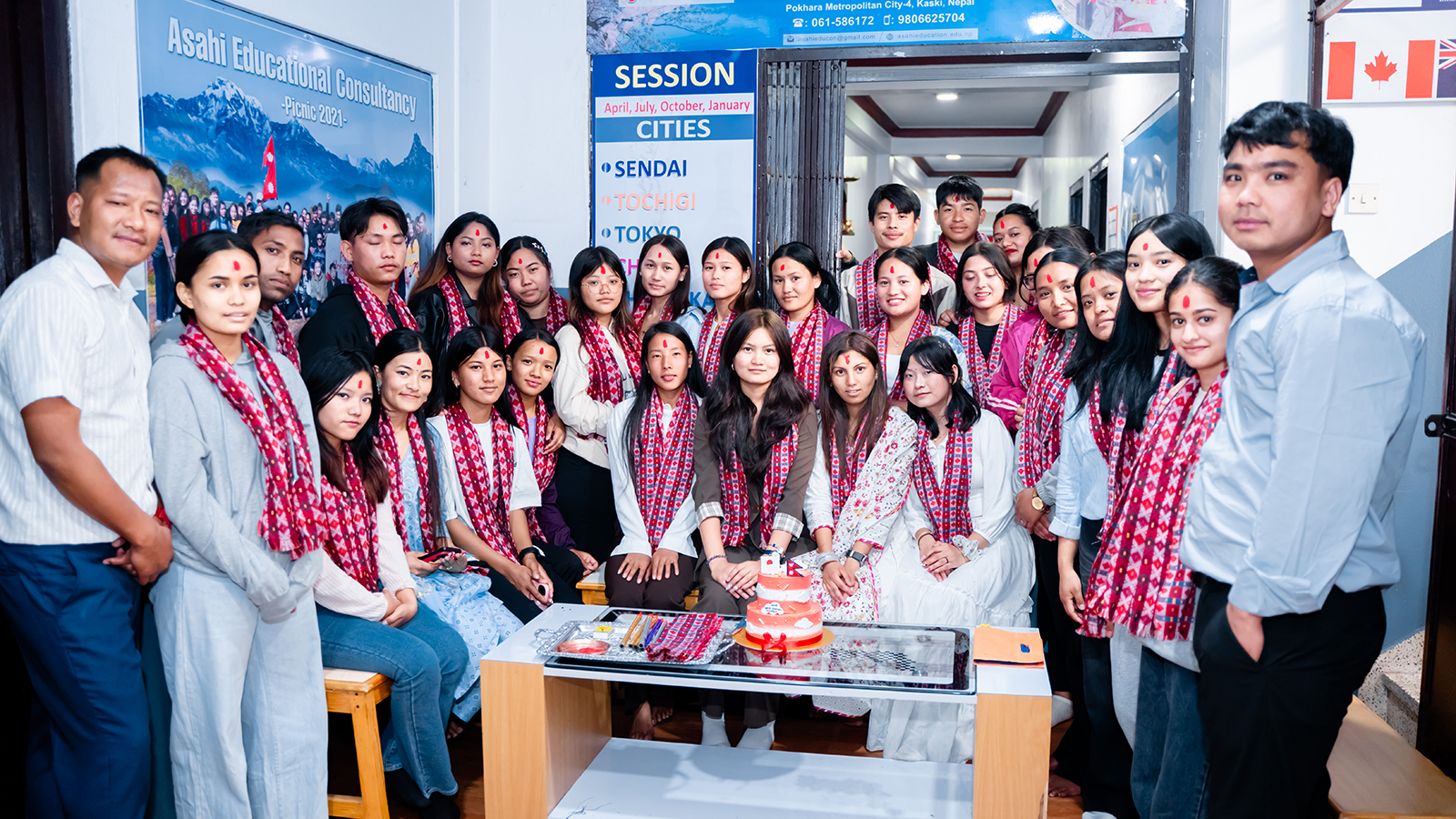
Are you a student from around Pokhara and planning to study abroad ? Japan is becoming a top choice for Nepali students, offering excellent education, affordable living, and a rich cultural experience. Here’s a detailed look at what you can expect when moving to Japan for your studies:
Introduction
Japan’s reputation for quality education, cutting-edge technology, and a safe, welcoming culture has made it increasingly popular among Nepali students. In the 2023/24 academic year, over 34,000 Nepali students received the necessary No Objection Certificates (NOCs) to study in Japan, reflecting this growing trend. This guide helps you prepare for daily life in Japan so you can adapt smoothly.
Academic Life in Japan
Education System: Japan’s system includes 6 years of elementary school, 3 years of lower secondary, 3 years of upper secondary, then higher education.
Classroom Culture: Expect a strong emphasis on group work, punctuality, and respect for teachers.
Challenges: Around 90% of university courses are in Japanese, so JLPT N2 or N3 certification is typically required. Exams focus more on essays and practical projects than multiple-choice questions.
Study Routine: Classes usually run 4–5 days a week, with independent study and group projects.
Living Conditions and Accommodation
Housing Options:
– Dormitories cost between ¥25,000–¥50,000 per month, often featuring shared kitchens and common areas.
– Shared or private apartments in Tokyo cost ¥50,000–¥100,000 monthly; in cities like Osaka or Fukuoka, rents are typically ¥30,000–¥60,000.
Utilities: Typically cost ¥10,000–¥20,000 per month. Living spaces tend to be small but efficient.
Language and Communication
Knowing Japanese is vital for daily life, studies, and work opportunities. Most universities require JLPT N2 or N3. Many offer free language tutoring and conversation clubs. Institutes in Kathmandu like OBGI and Hardford Education provide intensive Japanese courses. Start learning at least 6–12 months before departure and practice daily with apps and online tools.
Part-Time Work Opportunities
International students can work up to 28 hours per week during semesters and 40 hours in vacations. Common jobs include convenience stores (¥1,000–¥1,500/hr), tutoring (¥1,500–¥3,000/hr), restaurants, and retail. Many students use part-time jobs to support living costs while prioritizing their studies.
Food and Daily Life
Japanese cuisine is diverse, from sushi and ramen to bento boxes (¥600–¥1,200 and ¥500–¥800, respectively). Nepali and Indian food options are available in areas like Tokyo (Okubo), Osaka (Tsuruhashi), and Nagoya. Cooking at home may cost ¥30,000–¥40,000 per month for groceries.
Transportation
Public transportation is punctual and efficient; monthly passes cost ¥10,000–¥20,000. Many students combine public transit with cycling, with bicycles costing ¥10,000–¥30,000 (registration with local authorities required).
Cultural Differences and Adaptation
Japanese etiquette includes bowing, shoe removal indoors, and quiet public behavior. Cultural surprises may include strict waste separation and quiet public transport. Joining clubs, attending festivals, and participating in language exchanges help build friendships and ease adjustment.
Health, Safety, and Support Services
Students must join Japan’s National Health Insurance (~¥20,000/year), covering about 70% of medical costs. Universities offer on-campus clinics and counseling. Support services also include academic counseling and emergency hotlines.
Festivals, Travel, and Leisure
With student discounts and the JR Rail Pass (~¥29,650/week), students can explore Japan’s cultural highlights like Kyoto temples, Mount Fuji, and Okinawa beaches without overspending.
Community and Networking
Active Nepali student groups and associations (like NRNA) offer social support. Online groups on Facebook and WhatsApp keep students connected with family and friends.
Final Tips
Before departure, prepare vital documents such as your Certificate of Eligibility, visa, and JLPT scorecard. Must-have apps include the Japan Official Travel App, LINE for communication, and PayPay for payments. Current Nepali students advise learning basic Japanese and packing warm clothes for winter.
Conclusion
Japan offers world-class education, affordable living, and rich cultural experiences. Though adjusting takes effort, support networks and practical advice make success achievable. Nepali students ready to embark on this journey can connect with fellow students or education consultancies for guidance.